
Tired of cleaning spider webs around your house?
Practical guidance for Canterbury homeowners — from the Desmond Moller Ltd team.
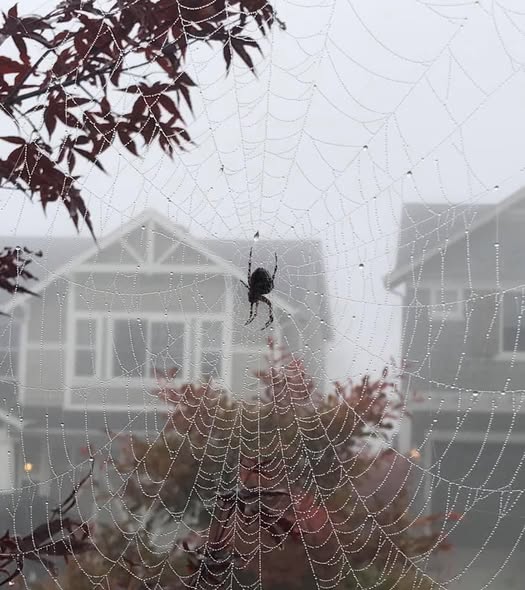
If sweeping webs off the eaves has become a weekly chore, you are not alone — it is the single most common complaint Des hears from Christchurch homeowners. Spiders love our homes for the same reasons we do: shelter, warmth and a steady food supply. Eaves, window frames, fences and pergolas make perfect anchor points, and a web swept away on Saturday is often rebuilt by Wednesday.
Why webs keep coming back
A web is a hunting investment. Once a spider finds a corner with good insect traffic, it settles in and breeds nearby — so the same spots produce generation after generation. Sweeping removes the web but not the spider, which simply retreats into a crack and rebuilds overnight. Breaking the pattern means dealing with the residents, not just their architecture.
What actually helps
Start with the surrounds: trim creepers and shrubs back off walls and fences, move firewood away from the house, and cut back unnecessary outdoor lighting that draws moths and midges — the spiders' pantry. Sweep old webbing so you can see what is new. Then, for lasting relief, an exterior spider-proofing treatment knocks down the resident population and leaves treated surfaces unwelcoming for months. It is the difference between managing webs weekly and barely thinking about them all season.
When to call
If white-tails or grey house spiders keep appearing indoors, especially in autumn, the exterior population is large enough to spill inside — that is a good moment to act. And if webs rebuild within days of a thorough sweep, the residents have well and truly settled in. Either way, a call to 0800 933 983 gets you free advice on whether treatment will help, with no obligation.
Done sweeping webs?
Ask Des about exterior spider proofing — free advice and a no-obligation quote on 0800 933 983.