
Spider proofing for Christchurch homes
Are you tired of cleaning spider webs around your house? An exterior spider-proofing treatment deals with the spiders living on your place — and leaves a treated barrier that discourages them from coming back.
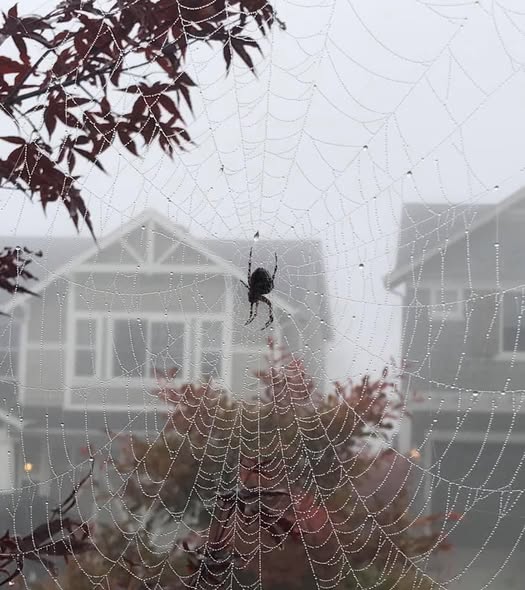
How spider proofing works
Most Canterbury homes collect spiders exactly where you live outdoors: under eaves and gutter lines, around window frames and doors, on fences, washing lines, pergolas and rubbish bin areas. Each of those spots offers shelter, warmth and a steady supply of insects — so spiders settle in, breed, and rebuild their webs within days of sweeping.
A spider-proofing visit treats those harbourage points around the outside of your house so spiders are knocked down on contact and the treated surfaces stay unwelcoming for months afterwards. Des works methodically around the full exterior — eaves, soffits, spouting, window and door frames, sheds and fences — rather than spot-spraying one corner and hoping for the best. The result is not just fewer spiders on the day, but noticeably fewer webs to sweep for the season.
Signs your place needs it
You are sweeping webs off the same eaves every week or two. White-tailed or grey house spiders keep turning up inside, especially in autumn when they wander. Outdoor entertaining areas feel gritty with webbing, and garden furniture needs de-webbing before anyone sits down. If any of that sounds familiar, a single exterior treatment usually changes the picture fast.
What to expect on the day
When you ring 0800 933 983, Des will ask where the spiders are worst and what sort of place you have, then give free advice and a no-obligation quote. On the day, he treats the exterior while you carry on inside — most visits take well under an hour for an average home. Afterwards he will tell you how long to leave treated areas alone and when to expect the full effect. As an owner-operator with decades of domestic experience, he would rather talk you out of a treatment you do not need than sell you one you do.
Keeping spiders away afterwards
A treatment does the heavy lifting, but small habits stretch its life: trim shrubs and creepers back off walls and fences, keep firewood stacked away from the house, switch off unnecessary outdoor lights that attract insects (and therefore spiders), and sweep remaining old webbing a week after treatment so new activity is easy to spot. If webs start rebuilding in one particular spot, that is useful information — mention it when you call, and Des can target that area next time.

Webs taking over your place?
Call Des for free spider-proofing advice and a no-obligation quote — exterior treatments across Canterbury.