Wasp nests dealt with safely
A wasp nest above the back door or in the shed wall is stressful — and tackling it yourself is how people get stung. Des has removed hundreds of nests across Canterbury: one visit, done properly, from a safe distance.
How wasp control works
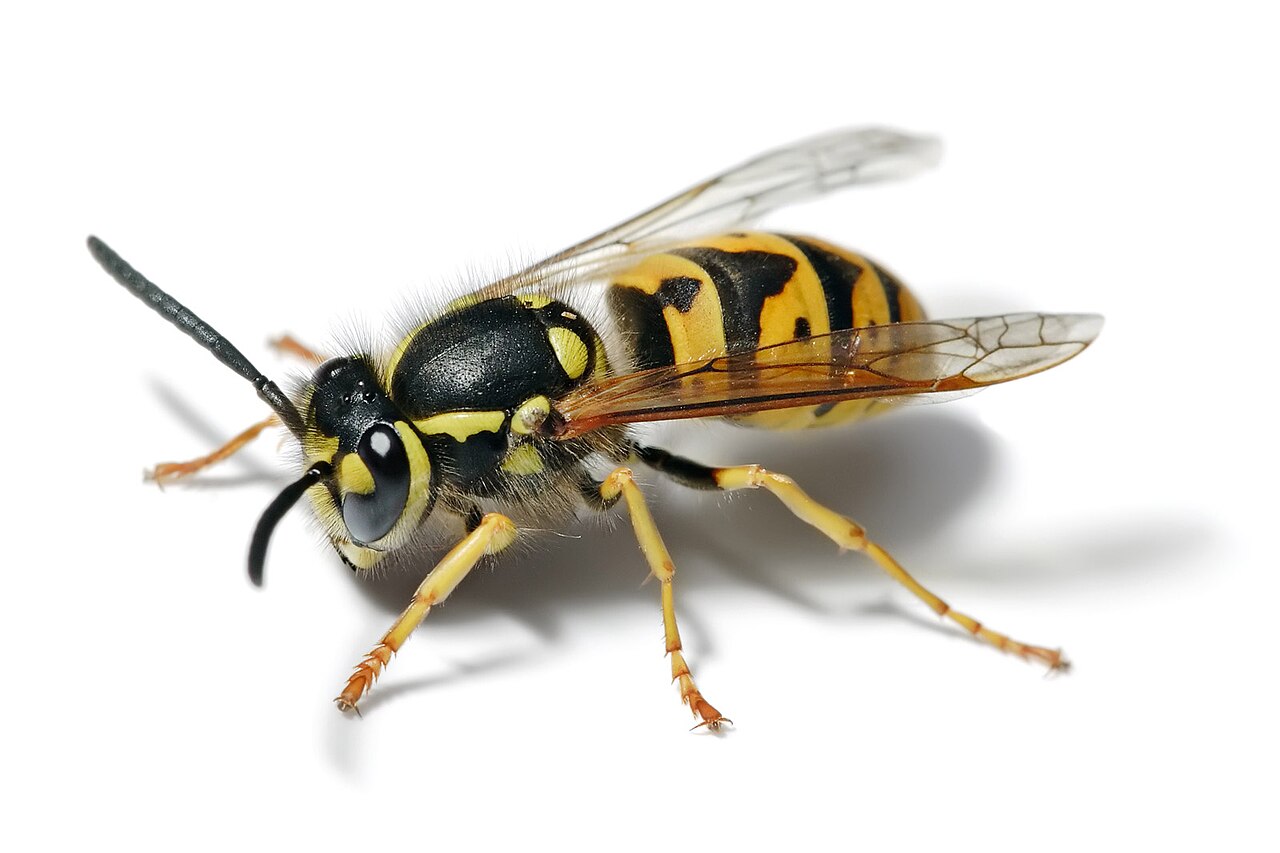
German and common wasps build papery nests anywhere sheltered: roof voids, wall cavities, under eaves, inside sheds and garages, in banks, compost bins and hollow trees. A nest the size of a football can hold thousands of wasps by late summer, all flying a single busy flight path in and out — usually right where the family walks.
Professional nest treatment uses the colony's own traffic against it: foraging wasps carry treatment deep into the nest, reaching the queen and brood that sprays from a hardware store never touch. Des treats from a safe position with the right gear, and because he has done this hundreds of times, he reads the flight path first and picks the moment and angle that finishes the colony in one visit. Most nests go quiet within a day or two.
Signs your place needs it
A constant stream of wasps flying to and from one exact spot — a gap in the cladding, a hole in the bank, the shed corner. Wasp numbers exploding around the barbecue, the kids' paddling pool or fallen fruit from February onwards. A dull buzzing inside a wall or ceiling on warm afternoons. If anyone in the household reacts badly to stings, treat any suspected nest as urgent and keep everyone — especially kids and dogs — well away until it is dealt with.
What to expect on the day
Call 0800 933 983 and describe where the traffic is going — photos from a safe distance help. Des will give free advice and a no-obligation quote, and for active nests near doors or play areas he will prioritise getting to you. On site, keep people and pets indoors while he works; the treatment itself is quick. He will tell you when it is safe to use the area again and whether the dead nest needs removing (roof-void nests are often best left where they are once treated, since empty nests are never reoccupied).
Please do not DIY a nest
Every season someone ends up in A&E after attacking a nest with a stick, a hose or a can of spray at midday. Disturbed wasps defend the colony aggressively and can sting multiple times. Blocking the entrance is worse — trapped wasps chew new exits, sometimes into the house. The safe move costs one phone call: keep your distance, note the flight path, and let an experienced operator handle it with the right gear and timing.
Found a wasp nest?
Keep your distance and call Des — fast, safe nest removal across Canterbury. Free advice on 0800 933 983.