Flea treatment that breaks the cycle
Seeing fleas is only ever the tip of the problem — eggs, larvae and pupae hide deep in carpets and cracks. A proper flea treatment hits every life stage so the itching actually stops.
Why fleas keep coming back
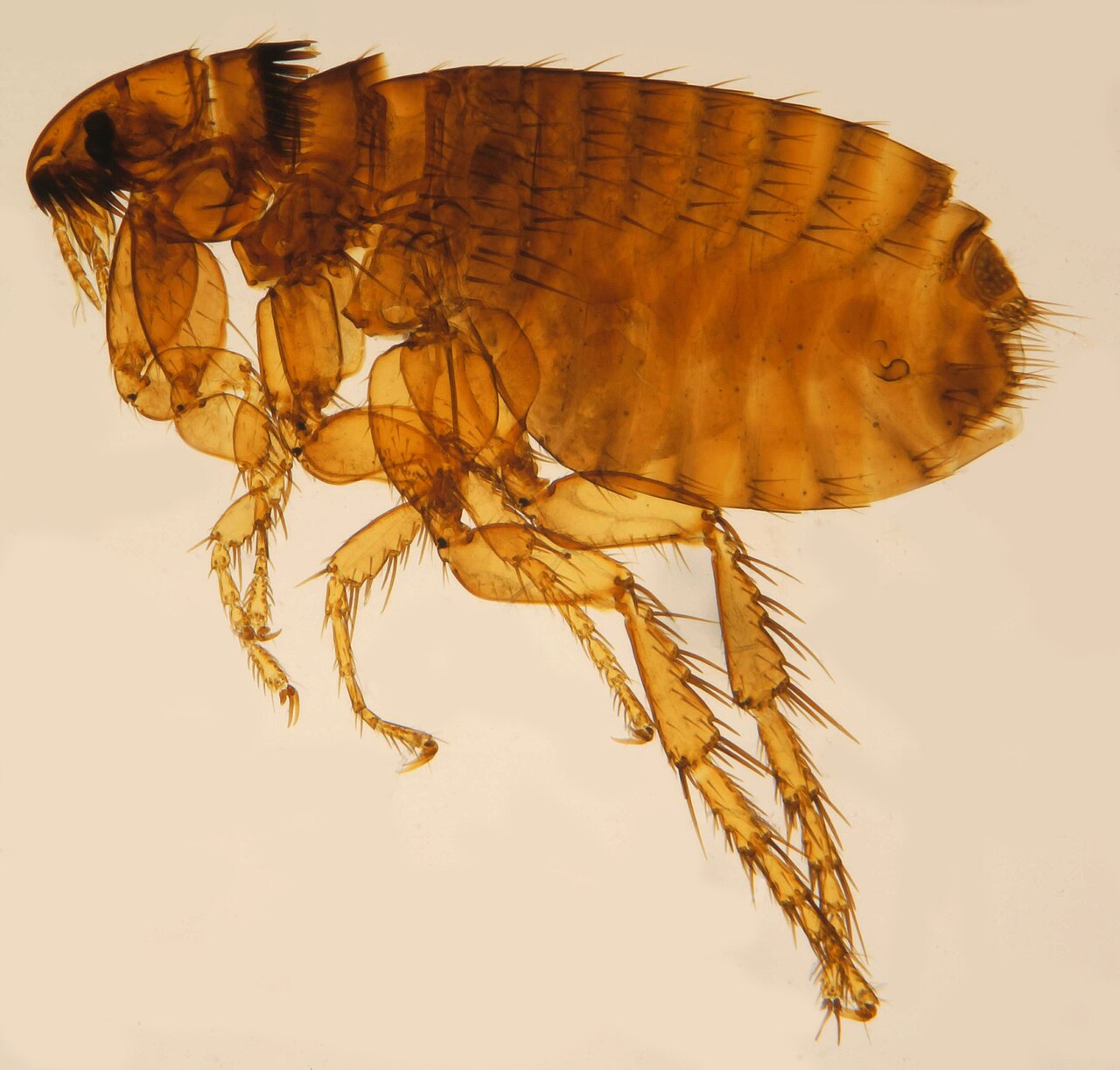
Adult fleas — the ones you spot on socks and pet bellies — make up only a small fraction of an infestation. The rest waits invisibly: eggs scattered where pets sleep, larvae feeding on debris deep in carpet pile, and pupae in sticky cocoons that shrug off vacuuming and many sprays. Warm Canterbury homes let this cycle turn all year, which is why a single can of supermarket spray never finishes the job.
A professional flea treatment is designed around that whole cycle. Des treats carpets, rugs, pet bedding areas, skirting edges and floor cracks — everywhere each life stage hides — with a treatment that keeps working after he leaves, so newly hatching fleas are caught as they emerge. That residual action is the difference between relief for a weekend and relief that lasts.
Signs your place needs it
Bites clustered around ankles and lower legs, especially after sitting on the floor or a particular couch. Pets scratching, over-grooming or developing patchy fur despite regular flea products. Tiny dark specks (flea dirt) on pet bedding that turn reddish on a damp tissue. Or a rental, new purchase or sleepout that has sat empty with animals previously inside — pupae can wait months, then hatch the moment vibrations tell them a host has arrived.
What to expect on the day
Ring 0800 933 983 for free advice and a no-obligation quote. Before the visit, vacuum thoroughly (it stimulates pupae to hatch into the treatment window) and wash pet bedding on hot; Des will confirm exactly what helps for your place. During treatment all people and pets step out while carpets and harbourage points are treated room by room. Afterwards he will explain when to vacuum again, when it is safe to let pets back on treated areas, and what follow-up looks like if a heavy infestation needs a second pass.
Keeping fleas away afterwards
Keep pets on a year-round flea programme from your vet — untreated animals re-seed the house within weeks. Vacuum high-traffic pet areas weekly and empty the cleaner outside. Wash pet bedding hot and often, and treat cars, caravans and kennels as well as the house if animals travel. If bites flare again around the two-to-three-week mark, do not panic: that is often the last pupae hatching into residual treatment. But do call Des — he would rather hear from you early than have you suffer in silence.
Itching and scratching at your place?
Call Des for free flea advice and a no-obligation quote — whole-cycle treatments across Canterbury.