Borer treatment that protects your timber
Borer works silently for years — tiny flight holes and fine dust are often the first sign. Treatment stops the lifecycle in your timber and protects framing, floors and furniture for the long term.
How borer damages your place
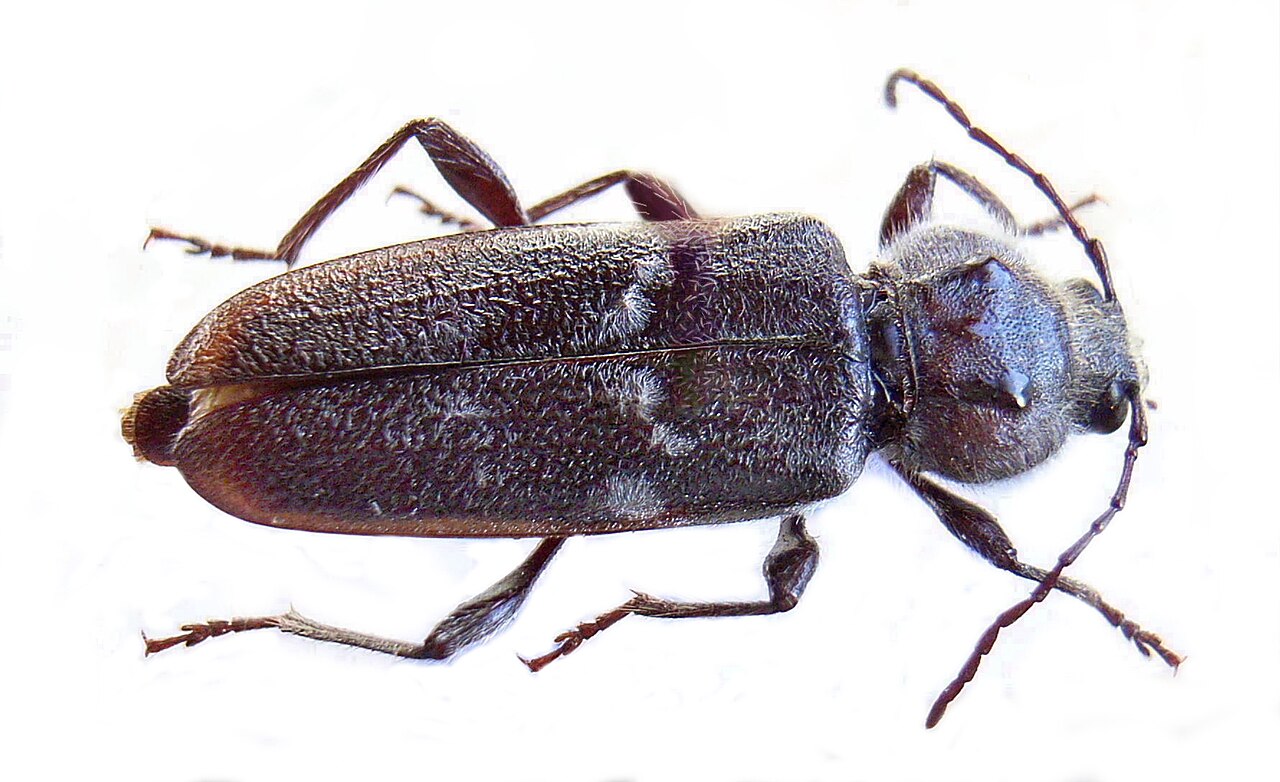
New Zealand's common house borer lays eggs on bare or weathered timber; the grubs then tunnel inside, feeding for two to four years before emerging as beetles through neat round flight holes. Flooring, skirting, weatherboards, framing, decks and older furniture are all fair game — especially damp, unpainted or under-ventilated timber. Because the damage happens out of sight, an infestation can be well established before anyone notices the tell-tale dust (frass) sifting from holes and cracks.
Borer treatment penetrates the timber surface to reach feeding grubs and lays down protection against re-infestation, while also dealing with emerging beetles so the cycle cannot restart. Des assesses how far the activity goes — surface and accessible timber can be treated in place, and he will be straight with you about anything that needs a builder rather than a sprayer. Catching borer early is the difference between a treatment visit and a repair bill.
Signs your place needs it
Small round holes (1–3mm) in skirting, floors, window frames or furniture, with fine powdery dust beneath them. Beetles on windowsills in spring and early summer — the emergence season. Older villa or bungalow timber, sleepouts, sheds and second-hand furniture showing fresh-looking holes with light-coloured dust. Damp subfloors and leaking spouting make everything worse, so borer signs plus moisture deserve prompt attention.
What to expect on the day
Ring 0800 933 983 for free advice and a no-obligation quote — describe the holes and where you are finding dust, and Des will tell you honestly whether it sounds like active borer. On site he inspects the affected timber and surrounds, treats accessible infested and at-risk wood, and explains ventilation and moisture fixes that make re-infestation far less likely. You will know what was treated, what to watch for, and when to call back if fresh dust appears.
Protecting timber long-term
Treatment works best with dry timber: fix leaks and overflows, keep subfloor vents clear, and let airflow under and around stored timber and furniture. Paint, varnish or seal bare interior wood — borer beetles strongly prefer unfinished surfaces for egg-laying. Check second-hand and inherited furniture before bringing it inside, and give older homes a yearly look-over in spring for fresh holes. Small vigilance now saves whole floorboards later.
Holes and dust in your timber?
Call Des for free borer advice and a no-obligation quote — timber treatment across Canterbury.