Wasp nests: what to do (and what not to do)
Late summer in Canterbury means wasp nests — here is how to handle finding one.
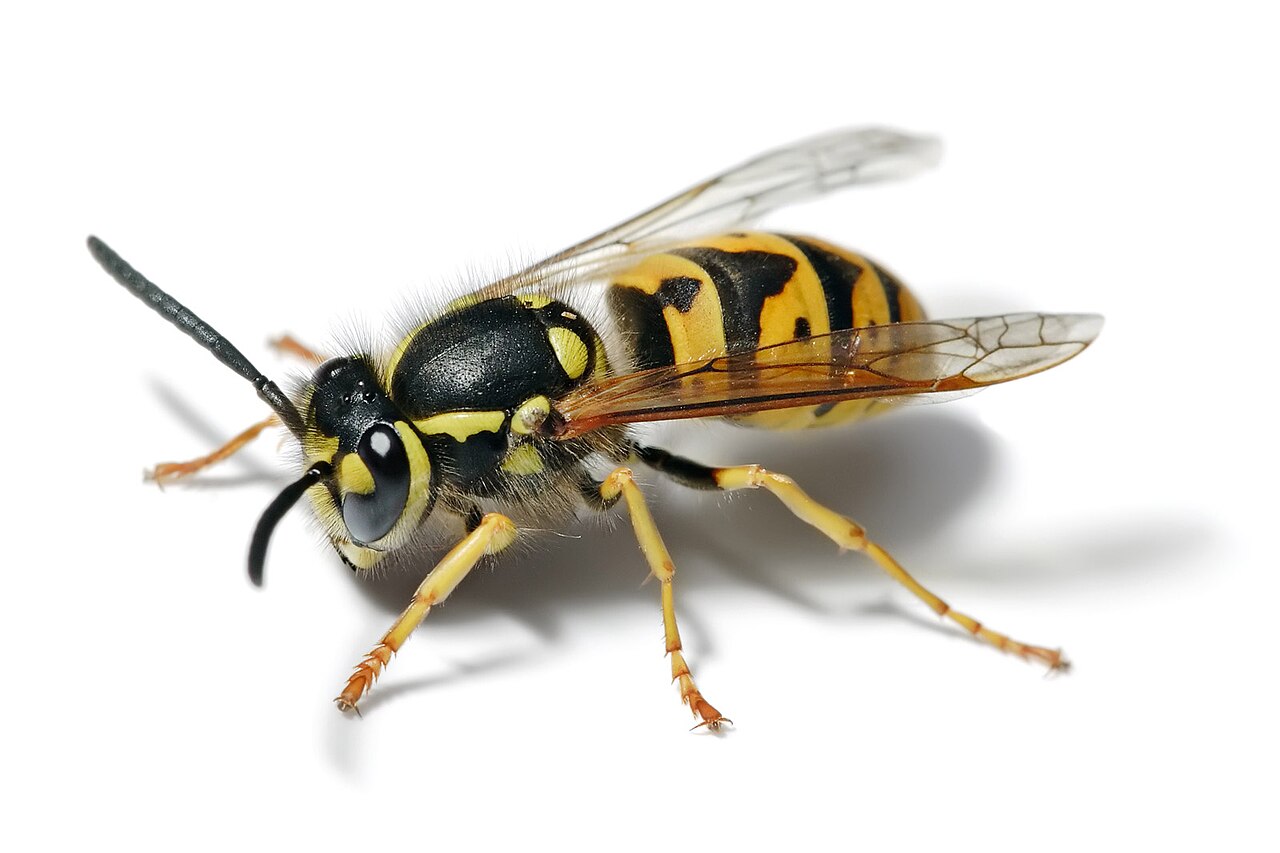
From February onwards, wasp traffic peaks across Canterbury: a steady stream of insects flying to one exact gap in the cladding, the bank, or the shed. That flight path is the signature of a nest — and how you respond in the first hour matters more than anything else.
What to do
First, keep everyone away — kids, dogs, and the lawnmower. Note where the flight path goes without standing in it; a photo from a safe distance helps whoever treats it. Then call 0800 933 983: Des will advise whether it needs urgent attention (nests by doors, paths and play areas do) and quote the removal with no obligation. Do not use the area, especially for eating outdoors, until the nest is dealt with.
What never to do
Never poke, hose or spray a nest yourself — disturbed wasps defend the colony and can sting repeatedly, and every season someone ends up seeking medical help after trying. Never block the entrance hole: trapped wasps chew new exits, sometimes straight into the house. And never assume a quiet nest in winter is safe to remove bare-handed without checking — old nests are empty, but live ones stay active deep into autumn.
After the nest is gone
A professionally treated nest goes quiet within a day or two, and empty nests are never reoccupied — so roof-void nests are often best left undisturbed once dead. Reduce next year's risk by covering compost and fallen fruit, sealing rubbish bins, and filling the old entrance gap once you are sure the colony is finished. And keep the number handy: wasps remember good real estate, and a new queen may try the same spot next season.
Found a nest? Keep your distance.
Call Des for fast, safe wasp nest removal across Canterbury — free advice on 0800 933 983.